
Start with the label and the date you opened it
A makeup product's useful life depends on its formula, how it is stored and how it is used. Check any date, storage direction or open-jar symbol on the package, then record when you first opened it. A symbol such as “6M” is a period after opening, not the date of manufacture. If the label has no guidance, contact the manufacturer rather than inventing a date.
The U.S. Food and Drug Administration says ordinary cosmetics are not required to carry a specific expiration date in the United States. Products that are also drugs, such as some SPF makeup and acne treatments, have different requirements. Read the whole label for the product in your hand.
How can you keep a useful record?
Write the opening date on the container or keep a small list with the product name and the date. Note any manufacturer's instruction about storage or use. If a label gives a period after opening, use the opening date as the starting point and compare it with the product's other instructions. This record is a reminder, not proof that a product will remain safe until a particular day.
If you do not remember when you opened something, do not guess an exact date. Check the label and manufacturer guidance, consider how it was stored and inspect for changes. When you cannot establish a reasonable history or have concerns about the product, replacing it may be more practical than trying to extend its life.
What changes mean you should stop using it?
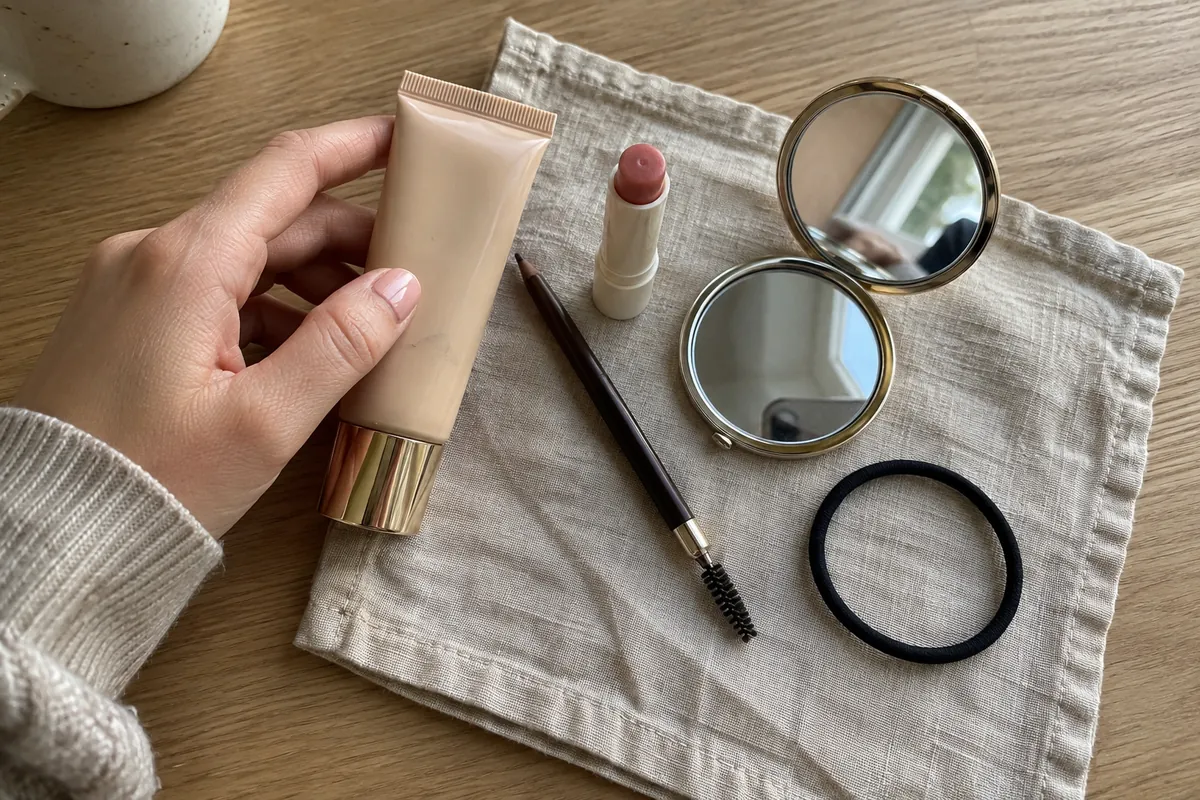
The FDA advises discarding cosmetics when their color or smell changes. The American Academy of Dermatology also describes changes in texture, clumping or separation as warning signs. Keep the product away from your skin and check the manufacturer's advice.
A product can still be unsuitable even if it looks and smells normal. A quick visual check cannot detect every contamination or establish that an old product is safe. Likewise, a harmless-looking change is not something a photograph can diagnose. If a product caused an unexpected reaction, stop using it and contact a healthcare professional for advice.
Why is eye makeup a separate decision?
Products used around the eyes deserve particular attention. The FDA notes that eye-area products often have shorter useful lives and reports that manufacturers commonly recommend replacing mascara two to four months after purchase. The AAD offers a three-month mascara guideline. These are guidance from different sources, not a guarantee that every mascara remains suitable for that long.
Do not add water or saliva to revive dried mascara; the FDA warns that this can introduce microorganisms. If you have an eye infection, the FDA advises stopping eye-area cosmetics, contacting your healthcare provider and discarding eye products you were using when the infection occurred. Follow your clinician's advice about returning to use.
Storage and sharing matter too
Follow the storage directions, close containers after use and protect them from heat and direct sunlight. Wash your hands before handling cosmetics and do not share makeup. The FDA notes that moisture, temperature changes and repeated contact with applicators can affect products over time.
Keep tools clean as part of the routine rather than treating cleaning as a way to renew an old formula. The makeup brush guide covers washing and drying separately. A smaller, manageable collection can also make it easier to see what you use; our low-maintenance routine offers a way to simplify.
What about makeup with SPF?
Check the expiration date and directions on the actual SPF product. Sunscreen is regulated as a drug in the United States, including when a product has both cosmetic and drug functions. Do not rely on an expired or visibly changed product for sun protection. The FDA's labeling explanation distinguishes these products from ordinary cosmetics.
Keep a separate record for a new skin-care product and follow its directions. Our small-area testing guide explains the limits of a home check: a quiet test does not promise that a reaction cannot occur later.
When should you ask for help?
For an unexpected rash, swelling, irritation or another concerning reaction, stop using the suspected product and contact a healthcare professional. Do not repeatedly reapply it to confirm the cause. In the United States, the FDA also accepts reports about adverse reactions and product problems; keep the packaging and ingredient list if available.
Makeup cabinet check
0 of 5 done
Questions people ask
Does normal-looking makeup have to be safe?
No. A visual check cannot reveal every problem or guarantee that an old product is suitable.
Should I add water to dried mascara?
No. The FDA warns that adding water or saliva can introduce microorganisms.
Do all cosmetics have an expiration date in the US?
No. The FDA explains that ordinary cosmetics are not generally required to show one.
What if a product causes irritation?
Stop using it and ask a healthcare professional for advice; do not reapply it to test the reaction.
Sources and further reading
- FDA: Shelf life and expiration dating
- FDA: Using cosmetics safely
- AAD: When to toss makeup and sunscreen
Sources checked 2026-10-28.